A Digital Nomad’s Guide to Bodrum and Gümüşlük
Internet that works, where to find a desk, the rhythm of a working day by the sea, and the residency basics to check before you book a long stay.
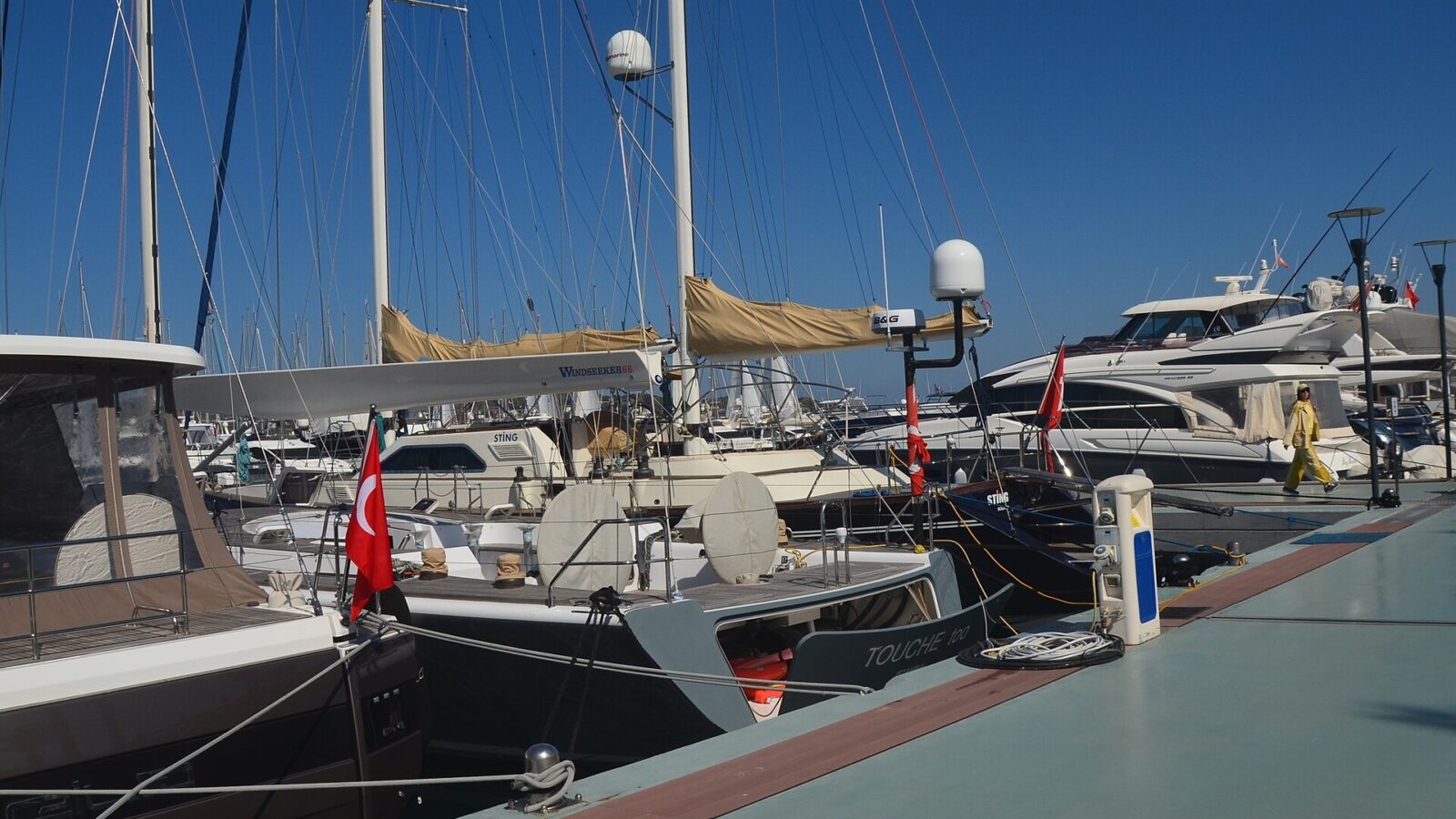
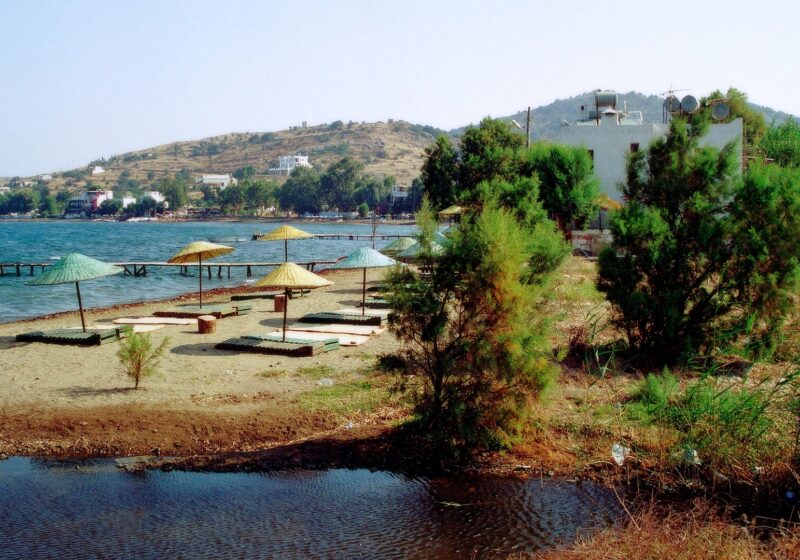
The Bodrum Peninsula has quietly become a place where people open laptops as well as books. Gümüşlük in particular suits remote work: a small fishing village on the western tip, an evening walk to the water, and a working day that ends with the sun going down behind the islands. This guide covers the practical side: connectivity, where to work, how the seasons change daily life, and the paperwork to check before you stay for months.
Internet and mobile coverage
Home broadband on the peninsula has improved a great deal in recent years. Fibre is widely available in Bodrum town and the larger resort towns, and has reached parts of the villages, but coverage in places like Gümüşlük and Karakaya still varies from street to street. One house may have fast fibre while the next, up a stone lane, relies on slower copper lines or a fixed wireless connection.
The only reliable approach is to ask before you book. Request a recent speed test screenshot (download, upload and ping) and ask what kind of connection it is. For video calls, upload speed matters more than download, and anything around 10 Mbps up is comfortable for one person.
Mobile data is your backup and, for many people, the main connection. All three Turkish networks (Turkcell, Vodafone and Türk Telekom) cover the peninsula well on 4.5G, with weaker spots in valleys and on some remote bays. Commercial 5G launched in Türkiye on 1 April 2026, starting with provincial centres, so on the peninsula expect 4.5G to be your everyday reality for a while yet.
Good to know: Foreign phones can only be used on Turkish networks for 120 days before they must be registered, and the registration fee is very high (over 50,000 TL in 2026). If you are staying longer than four months, read our first-time tips on phones and plan accordingly.
Summer and storms
Two things test connections here. In July and August, when the peninsula’s population swells, mobile networks can slow in the evenings around busy waterfronts. In winter, storms occasionally cause short power cuts. A small power bank for your router, a mobile hotspot plan and a tolerance for the odd ten-minute outage will cover most situations.
Where to work
There are a handful of coworking spaces on the peninsula, mostly in and around Bodrum town and Yalıkavak, where the marina area has drawn a year-round crowd of business owners and remote workers. They tend to offer day passes and monthly memberships, meeting rooms and reliable backup power. Spaces open and close quite often here, so check recent reviews and confirm opening hours before you travel, especially outside summer.
In Gümüşlük itself, most remote workers work from home or from their accommodation. A few cafés are happy for you to sit with a laptop in the quieter hours, but this is a village where tables are for lingering over tea, not for eight-hour shifts. Order regularly, avoid the lunch rush and take calls outside.
If you want a dedicated desk, consider where you base yourself. Our guide to choosing your base compares Gümüşlük, Yalıkavak and Bodrum town for exactly this kind of trade-off: village calm against the convenience of town services.
The rhythm of a working day
Türkiye stays on UTC+3 all year, with no clock change. That puts you two hours ahead of the UK in summer and three in winter, one or two hours ahead of Central Europe, and seven or eight ahead of the US East Coast. Many people working with European teams start early, take a long break in the hottest part of the day, and finish calls by early evening.
A typical good day here looks like this: a swim or walk before 9am, focused work through the morning, lunch and a pause between about 1pm and 4pm, then a second block of work before heading to the water for sunset. In summer, the heat makes the middle of the day slow anyway. In winter, the light goes early and the second block is shorter.
The north-westerly wind (the meltem) blows strongly on many summer afternoons along this coast. It cools things down but makes outdoor working tricky, so plan to be indoors after lunch.
How the seasons change things
Summer (late June to early September) is lively, hot and expensive. Everything is open, but traffic, noise and prices rise, and finding a monthly rental becomes hard. Most long-stayers avoid it or book months ahead.
Spring and autumn are the sweet spot. May, June, September and October bring warm sea, open restaurants and fewer people. See our piece on September and October in Gümüşlük for what those months feel like.
Winter (November to March) is quiet, green and cheap, but many restaurants and shops in the villages close or reduce hours, and some days are wet and windy. If you want solitude and focus, it works well. Our guide to Bodrum in winter is honest about what is open.
Residency and visas: the basics
This is the area where rules change most often, so treat what follows as orientation, not advice, and always check official sources before you travel.
Visa-free stays and e-Visas
Many nationalities, including most EU citizens and the UK, can visit Türkiye without a visa for up to 90 days within any 180-day period. Others need an e-Visa, available from the official government e-Visa website. Overstaying carries fines and can lead to entry bans.
Short-term residence permits
To stay longer than 90 days, foreigners generally apply for a short-term residence permit through the Presidency of Migration Management’s online system (e-İkamet), followed by an appointment at the local migration office. Typical requirements include a registered address (often a rental contract), health insurance valid in Türkiye, and proof of sufficient funds. Long-stayers report that approvals have become stricter in some areas in recent years, so give yourself time and keep copies of everything.
The digital nomad scheme
Since 2024, Türkiye has offered a digital nomad route promoted by the Ministry of Culture and Tourism. As of 2026 it requires applicants to be from one of around 36 eligible countries (including most EU states, the UK and the US), aged 21 to 55, with a university degree and remote income of at least US$3,000 a month, earned from employers or clients outside Türkiye. The first step is an online certificate through the GoTürkiye platform; you then apply for a visa or residence permit through the usual channels. The certificate itself does not guarantee either.
Tip: Spending more than six months a year in Türkiye can affect your tax residency. If you plan a long stay, speak to a tax adviser in your home country and, ideally, one in Türkiye too.
Before you go
- Ask any host for a recent speed test and the type of connection.
- Bring an unlocked phone and set up a travel eSIM or buy a local SIM on arrival.
- Book monthly rentals early for spring and autumn; summer monthly lets are scarce and costly.
- Check the latest visa and residence rules on official government websites, not forums.
- Read our breakdown of what a month in Gümüşlük costs before you set a budget.