Living and Working from Gümüşlük
Internet, the rhythm of the year, community, long-stay housing and paperwork: an honest guide to spending weeks or months on the Bodrum Peninsula.
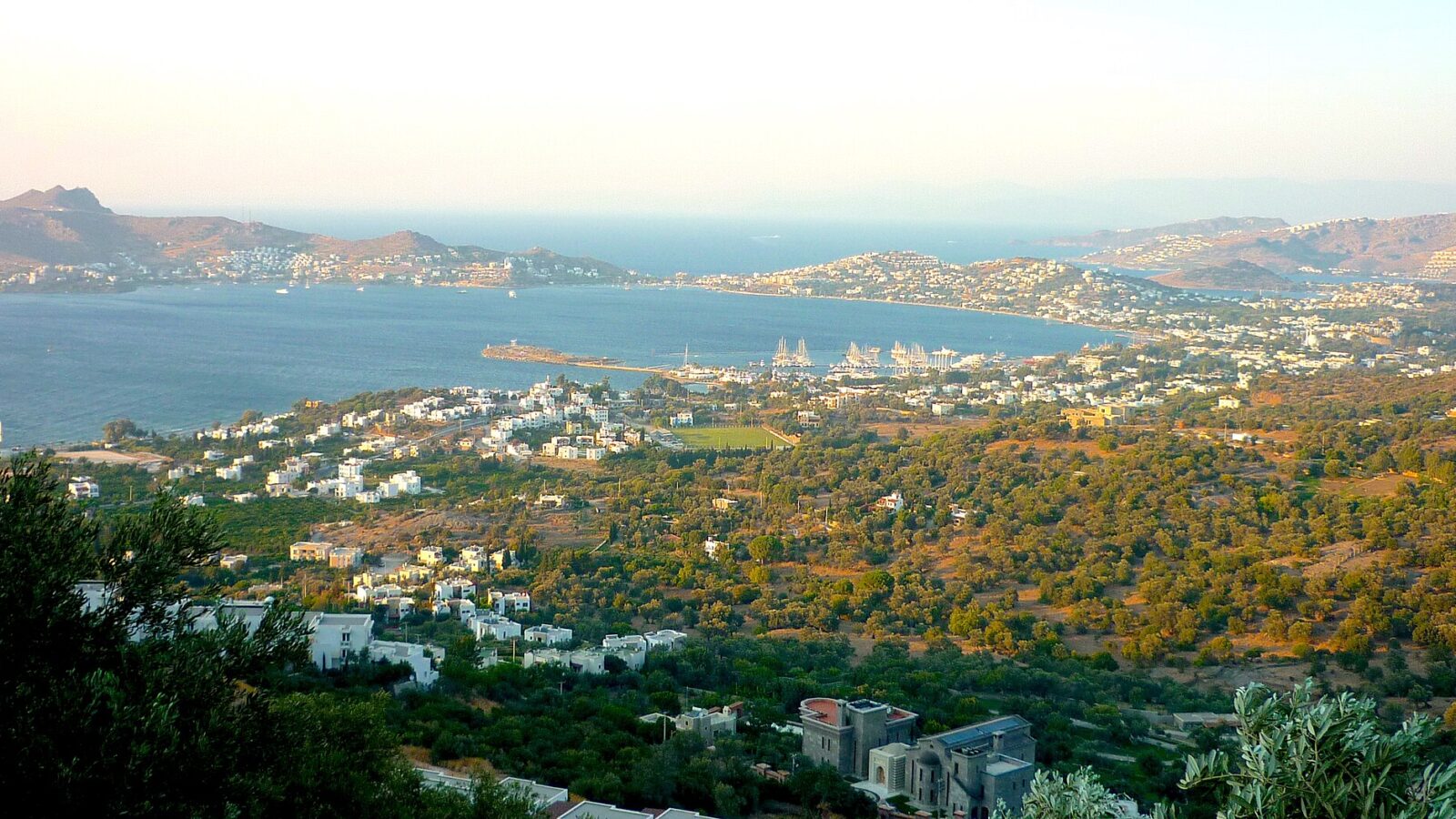
A week in Gümüşlük is a holiday. A month or a season is something else: you learn which bakery opens first, which cove is calm when the wind swings, and how different the village feels in February from August. More people now come to work remotely for a few weeks or stay through the quiet months. This page covers what that is really like, including the parts the postcards leave out.
Why people stay longer
The appeal is easy to list: the sea on your doorstep, mild winters by northern European standards, a working day that ends with a swim or a sunset, and a village that has not been swallowed by big resort building. The hillsides around the bay are protected, which has kept Gümüşlük low-rise and on a human scale.
The trade-offs are real too. Summers are hot and busy, winters are quiet and can be wet and windy, and you are a car or dolmuş ride from most services. People who thrive here tend to like their own company and a slower pace.
Internet and work setups
Fixed-line internet on the peninsula ranges from fast fibre to slower copper lines, and it varies street by street. Before you commit to a rental, ask the host for a recent speed test and whether the connection is fibre. In stone houses with thick walls, Wi-Fi may not reach every room.
Mobile data on 4.5G is generally good and works well as a backup. Türkiye switched on 5G in April 2026, starting with provincial centres, so do not count on it in the villages yet. Storms occasionally cause short power cuts in winter; a charged power bank and a mobile hotspot will save an important call.
Good to know: A phone with a foreign SIM works normally on roaming, but if you put a Turkish SIM in a foreign-bought phone, it is blocked from local networks after 120 days unless you register it and pay a one-off fee. Plan for this on long stays.
Coworking spaces are concentrated in Bodrum town and Yalıkavak rather than Gümüşlük itself. In season, a few cafés tolerate laptops in quiet hours; buy something regularly and avoid the lunch and sunset rush.
The rhythm of the year
| Months | What working life feels like |
|---|---|
| April–June | Long light, everything reopening, swimmable from late May. Many people’s favourite time to work here. |
| July–August | Hot, busy and loud at night. Traffic on the main roads, higher rents. Work early, swim late. |
| September–October | Warm sea, softer wind, crowds thinning. Arguably the best balance of all. |
| November–March | Quiet. Many seasonal businesses close, buses run less often and rain comes in bursts. Sunny days are glorious; grey weeks happen. |
Our pieces on a workation week and Bodrum in winter go into more detail.
Community
Gümüşlük has a mixed year-round population: fishing families, artists and musicians, retirees from Istanbul and abroad, and a growing number of people working remotely. Life in winter centres on the markets, a few cafés and restaurants that stay open, and informal music and gatherings.
Learning some Turkish changes everything. Greetings, numbers and market vocabulary go a long way, and people respond warmly to the effort. Be patient with the slower social rhythm; friendships here are built over many glasses of tea.
Long stays and housing
Monthly rentals are much easier to find, and far cheaper, between October and May. In summer, owners can earn more from short lets, so long-term rentals become scarce and expensive. Ask about heating before you sign: many houses rely on air-conditioning units that also heat, and older stone houses can be damp in winter. A car, or at least a scooter in the dry months, makes off-season life much simpler.
For a realistic budget, see what a month in Gümüşlük costs. If you want to test the village for a week or two before committing to anything longer, a small place to stay is the gentlest start.
Paperwork, with caveats
This is general orientation, not legal advice, and rules change. Citizens of the UK, most EU countries, the US and Canada can currently visit Türkiye without a visa for up to 90 days in any 180-day period. Other nationalities may need an e-Visa.
In 2024 Türkiye introduced a digital nomad visa for remote workers from a list of eligible countries, with requirements including proof of foreign employment or clients, a university degree and an income of around USD 3,000 a month. Staying beyond 90 days otherwise means applying for a residence permit, and approval for tourism-based permits has become stricter in recent years. Check the official sources, or use a local lawyer, before you plan around a long stay.
Our digital nomad guide to Bodrum covers practicalities in more depth.
Everyday practicalities
- Money: Cards work almost everywhere; keep some lira for markets and small shops. Avoid ATMs that offer to convert to your home currency.
- Groceries: Chain supermarkets in Turgutreis and Yalıkavak, smaller shops in the villages, and weekly markets for produce.
- Health: Pharmacies (eczane) are knowledgeable and a duty pharmacy is always open at night. Emergency number: 112. Take out health insurance that covers long stays.
- Getting around: Dolmuş minibuses are cheap but less frequent in winter; most long-stayers end up renting a car for at least part of the year.
From the journal
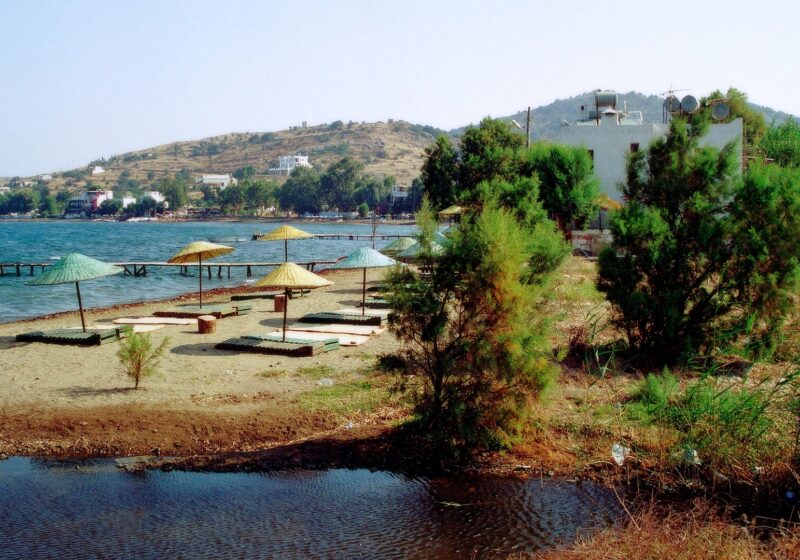
A Workation Week in Gümüşlük
Five working days, two free ones, and a village by the sea: how to plan a week in Gümüşlük where the laptop…
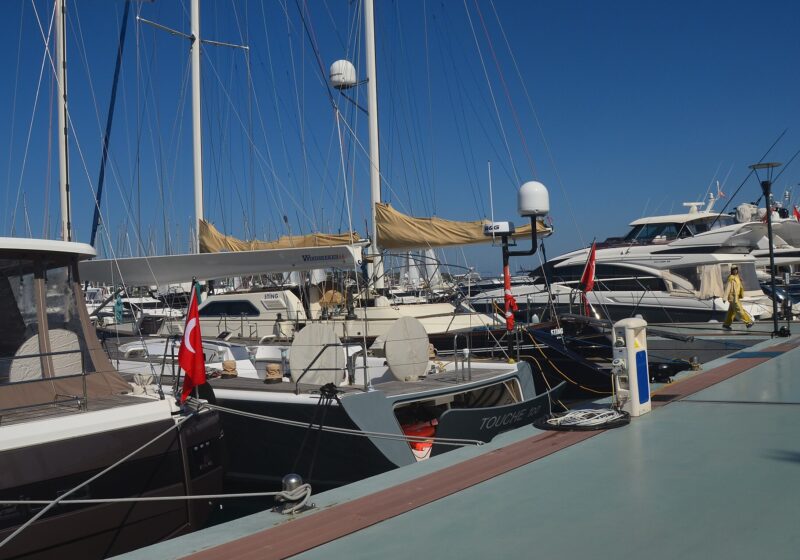
A Digital Nomad’s Guide to Bodrum and Gümüşlük
Internet that works, where to find a desk, the rhythm of a working day by the sea, and the residency basics to…
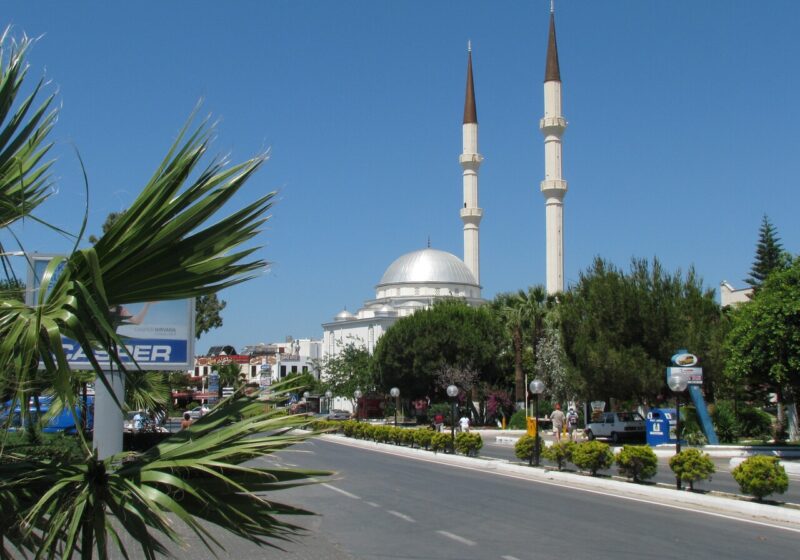
What Does a Month in Gümüşlük Cost?
Rent in January versus August, a week of groceries, a fish dinner, getting around: honest 2026 price ranges for a month in…