Food and Drink on the Bodrum Peninsula
Meze, fish by the season, wild greens, Bodrum mandarins and weekly markets: a practical introduction to eating well on the peninsula.
Eating on the Bodrum Peninsula follows the Aegean pattern: lots of vegetables cooked in olive oil, wild greens from the hillsides, fish when the sea allows, and meals that take most of the evening. Gümüşlük has built its reputation on dinners at the water’s edge, but some of the best food here is far humbler. This page sets out how local food works through the year, so you know what to order, where to shop and what to expect in each season.
Meze: how a meal begins
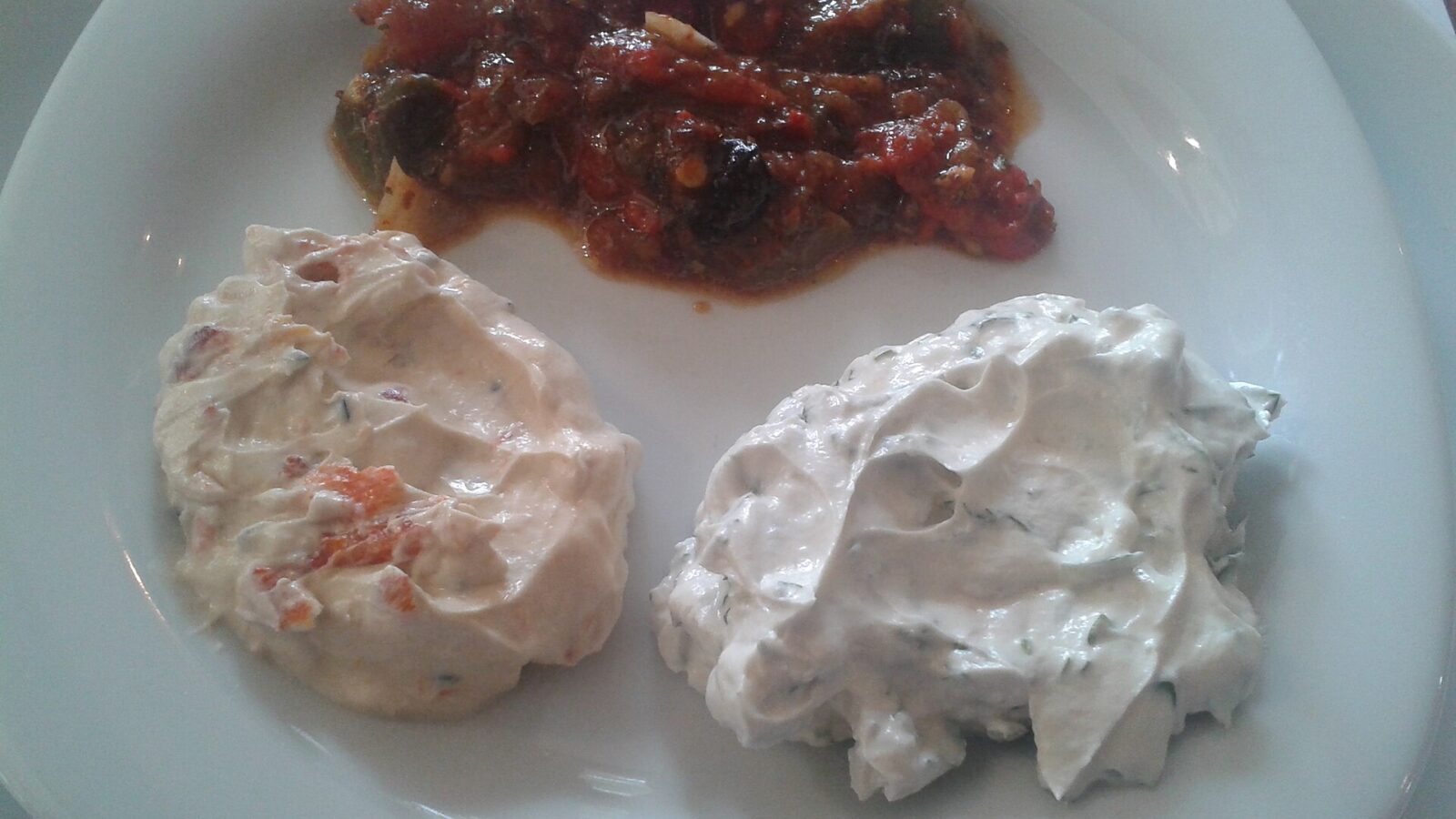
A proper evening starts with meze. At fish restaurants a waiter often brings a tray of cold dishes to your table and you point at what you want, which is the easiest way to order if you do not read Turkish. Expect smoky aubergine, fava (a soft purée of broad beans), deniz börülcesi (samphire dressed with garlic and lemon), octopus salad, yoghurt with herbs, and stuffed vine leaves.
Bodrum has a strong Cretan thread, from families who settled here a century ago, and you taste it in dishes like Girit ezmesi, a crumbly mix of white cheese, walnuts and herbs. Hot meze follow: fried calamari, grilled halloumi-style cheese, courgette fritters. Order a few at a time; it is normal to add more as the evening goes on.
Fish by the season
Most fish on summer menus is farmed sea bream (çipura) and sea bass (levrek), and there is nothing wrong with that. Commercial trawlers and purse seiners are banned from fishing between 15 April and 31 August each year, so in summer the wild catch comes from small local boats and tends to be smaller fish such as red mullet, sardines and bream. Autumn brings the return of the big boats and with them palamut (Atlantic bonito), oily, cheap and excellent grilled.
Fish is usually priced by weight. Pick yours from the display, ask whether it is wild (deniz) or farmed (kültür), and confirm the price before it goes on the grill. Our guide to eating on the Gümüşlük waterfront goes through ordering step by step.
Olive oil and wild greens
Zeytinyağlılar, vegetables slow-cooked in olive oil and served at room temperature, are the backbone of home cooking: green beans, artichokes in spring, okra in summer, leeks and celeriac in winter. They are often better at a simple lokanta (a canteen-style restaurant with dishes on display) than at a smart place.
Then there are the greens, or otlar. Villagers forage wild chicory, sea fennel, mallow and dozens of others, blanch them and dress them with olive oil and lemon. Winter and spring are the best seasons. If you want to know what is on your plate, keep our field guide to Aegean greens open at the table.
Bodrum mandarins, and a kebab with papers
The Bodrum mandarin (Bodrum mandalinası) has been a protected appellation of origin in Türkiye since 2009. It is small, flattened and full of seeds, with a thin peel that comes away easily and leaves your fingers smelling of citrus oil for an hour. The harvest begins in December and, frost permitting, runs into February. In winter you will see it at markets, in fresh juice and in jams; in spring the orchards around Ortakent and Bitez fill the air with blossom.
The peninsula has a newer protected name too. Bodrum çökertme kebabı, strips of beef on a bed of thin fried potatoes with garlic yoghurt, was registered as a geographical indication in 2025.
Loading the map…
Markets
Weekly markets are the best place to see what is in season and to buy olives, cheese, honey, dried herbs and greens straight from producers. A few anchors, which have been stable for years but are worth checking locally:
- Bodrum town: produce on Fridays, clothes and household goods on Tuesdays.
- Turgutreis: a big Saturday market, the busiest on the peninsula.
- Gümüşlük: a small market, usually on Wednesdays.
- Yalıkavak: produce midweek, with a textile day as well.
Our guide to Bodrum’s village markets lists the rest, day by day.
Tip: Go to markets early, before 10am in summer. Producers bring the best greens and cheese first, and the heat under the canopies becomes punishing by noon.
Breakfast culture
Breakfast is a serious meal in Türkiye, especially at weekends. A serpme kahvaltı arrives as a spread of small plates: white cheese, olives, tomatoes and cucumbers, honey with clotted cream (kaymak), jams, eggs cooked in a pan, and endless glasses of tea. Village-style places add gözleme, thin flatbread folded around cheese or greens and cooked on a griddle. Plan for a long, late morning and a light lunch.
Wine and rakı
Rakı, the anise spirit that turns milky with water, belongs with meze and fish. Pour it, add cold water, then ice, and sip slowly between plates; nobody drinks it quickly. Turkish wine has improved enormously, and there are a handful of vineyards on the peninsula itself, alongside bottles from the wider Aegean.
Alcohol is heavily taxed, so wine costs more in restaurants than many visitors expect. Shops cannot sell alcohol between 10pm and 6am, so buy your evening bottle in good time.
Summer and winter are two different places
In summer, especially July and August, the waterfront is busy every night. Book a sunset table, expect higher prices and allow time for traffic if you are crossing the peninsula for dinner.
From roughly November to March many seasonal restaurants close or shorten their hours, and the ones that stay open cook for locals: soups, stews, greens, fish when the weather lets the boats out, and mandarins on every table. It is a quieter, cheaper and often more interesting way to eat. Our winter guide has more on what stays open.
Good to know: Many places quote prices in lira and change them often. Treat any figure you read online, including ours, as a rough guide (as of 2026).
From the journal
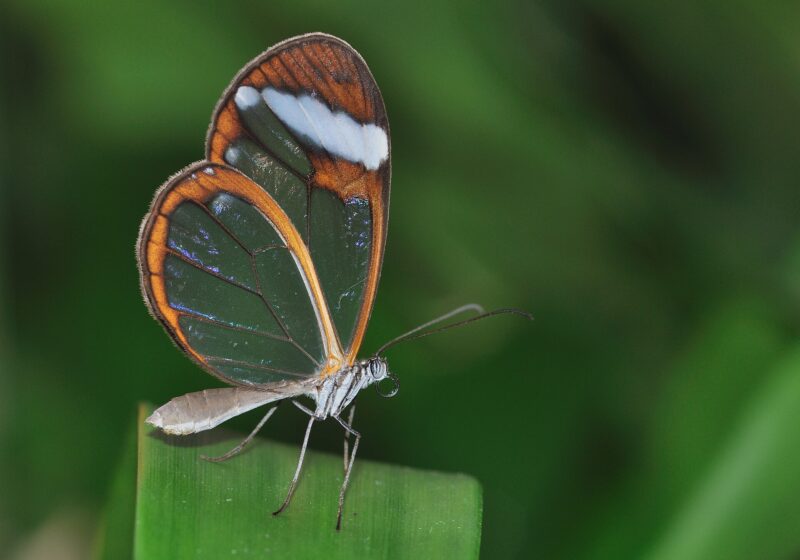
Dinner at the Water’s Edge: How to Eat on the Gümüşlük Waterfront
Meze trays, fish sold by the kilo and the slow rhythm of a rakı table: how to order well, and what to…
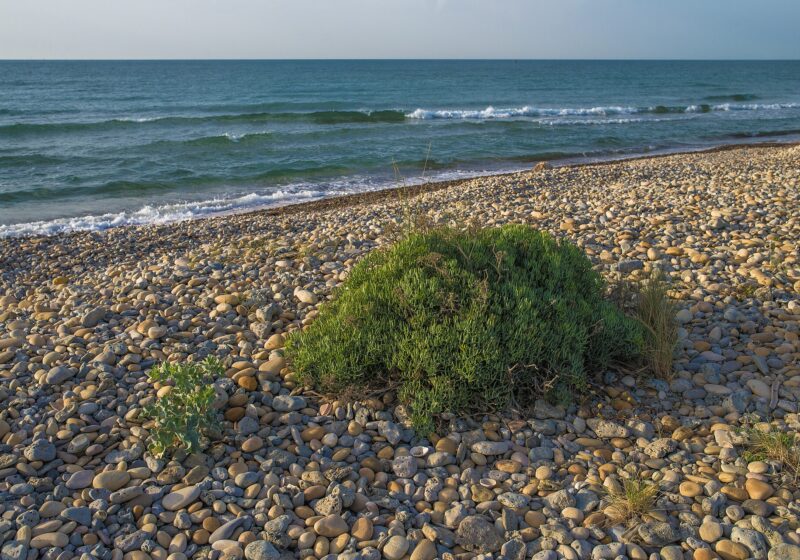
Aegean Greens: A Field Guide to the Herbs on Your Plate
Turp otu, arapsaçı, cibez, şevketibostan: what the wild greens on a Bodrum meze tray actually are, when they appear and how locals…
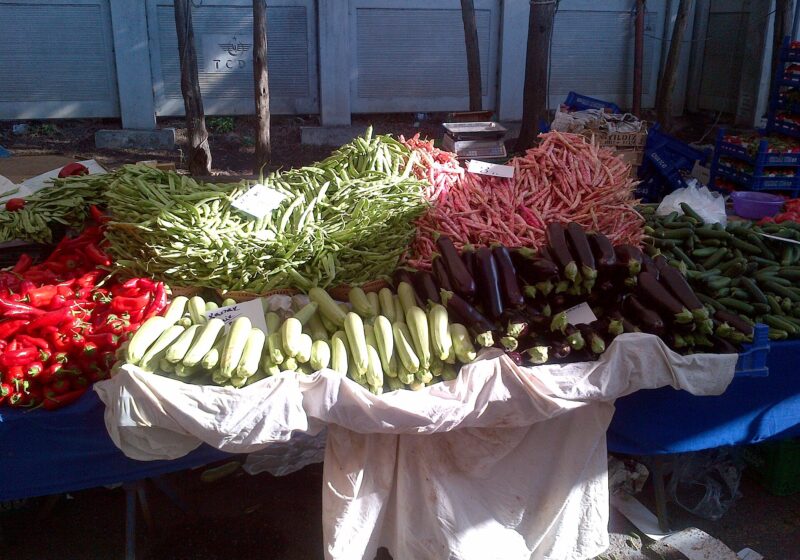
Bodrum’s Village Markets: Which Day, Where
Gümüşlük on Wednesday, Turgutreis on Saturday, Yalıkavak twice a week: a day-by-day guide to the Bodrum Peninsula's weekly markets and how to…