A Workation Week in Gümüşlük
Five working days, two free ones, and a village by the sea: how to plan a week in Gümüşlük where the laptop and the swim both get their hours.
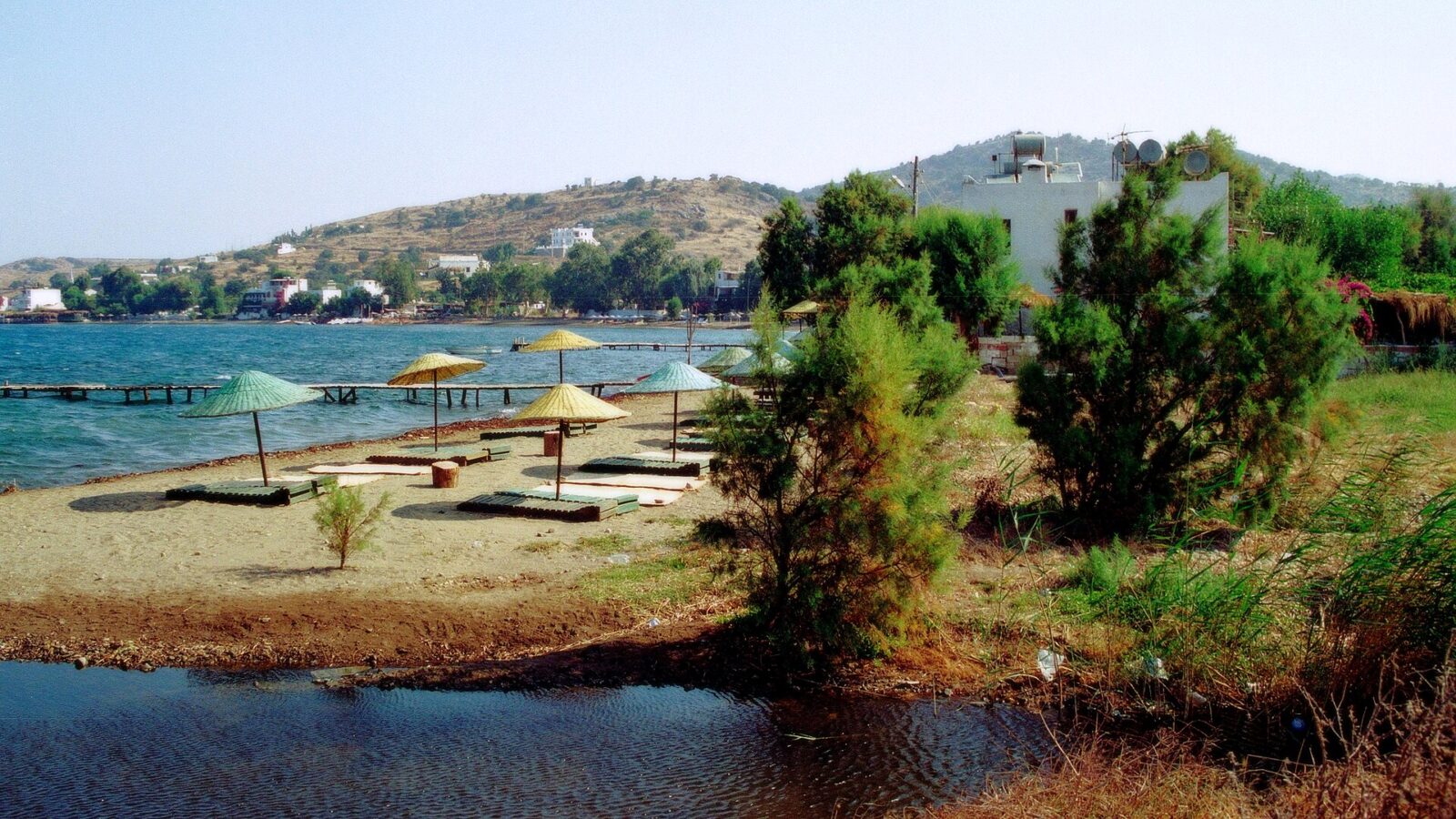
A workation only works if you protect both halves of the word. A week in Gümüşlük can give you full working days and still leave room for morning swims, an ancient city at the end of the beach and dinner on the water. Here is how we would plan it, day by day, with the practical details that make it run smoothly.
Before you arrive: get the set-up right
Most of a good workation is decided before you land. Choose accommodation with a proper table and chair, not just a terrace, and ask the host for a recent speed test and the type of connection. Fibre reaches some parts of the village and not others, so do not assume.
Pack a few things that people often forget: a laptop stand or a folding keyboard, headphones with a decent microphone (cicadas are loud in summer), a European plug adaptor if you need one (Türkiye uses the same two-pin sockets as most of continental Europe), and a small power bank for the router in case of a brief outage.
Set up mobile data as your backup on day one, either with a travel eSIM or a local SIM. And check the time difference: Türkiye is on UTC+3 all year, so two hours ahead of London in summer and one hour ahead of Berlin or Paris.
Tip: The best months for a working week here are May, June, September and October. The sea is warm enough to swim, restaurants are open, and the village is calm enough to concentrate.
The working week, day by day
Monday: arrive, settle, find your rhythm
If you fly in on a Sunday, use Monday morning to sort the basics: test your call set-up, find the nearest market for water and fruit, and work out where the shade falls on your terrace at different times of day.
Keep the first working day light if you can. In the late afternoon, walk down to the waterfront and along the shore. The bay faces west, so the evening is the moment the whole village drifts towards the water. If you want to know when to close the laptop, this is today’s sunset time in Gümüşlük:
Sunset in Gümüşlük today 18:29
Tuesday: the morning swim habit
Start the day the way people here do in the warmer months: a swim before 9am, when the sea is flat and the beach is almost empty. Then breakfast, then work.
Plan your heaviest focus block for the morning. Between about 1pm and 4pm, take a proper break. In summer the heat flattens the afternoon anyway, and the north-westerly meltem often picks up after lunch, which makes outdoor working tricky. A second, shorter block of work from 4pm to 7pm suits many people better than pushing straight through.
Dinner tonight can be simple. Away from the waterfront, small local places serve home-style dishes and grilled meat at a fraction of the waterfront prices.
Wednesday: Rabbit Island at lunchtime
Mid-week is the right time for one small adventure in your lunch break. Just off the shore lies Rabbit Island (Tavşan Adası), which you can usually reach by wading across a shallow stretch of water. It takes only a few minutes when conditions are calm. Our guide to walking to Rabbit Island explains the route and when to go.
Wear water shoes, keep your phone in a dry bag, and be back at your desk by mid-afternoon. It is surprising how much an hour like this resets a working week.
Thursday: a lighter day and Myndos
By Thursday, many people find they are ahead of schedule. If you are, end work an hour early and look at what is under your feet. Gümüşlük sits on the site of Myndos, an ancient port city, and traces of walls and foundations are visible around the bay and even under the water. Read our piece on Myndos, the ancient city beneath Gümüşlük before you go so you know what you are looking at.
This is also a good evening for the waterfront dinner. Fish is priced by weight, meze come first and the meal is meant to last. Our guide to eating on the Gümüşlük waterfront covers how ordering works and what to expect to pay.
Friday: finish early, look up the hill
Finish the week with a short day and head up to Karakaya, the old stone village on the hillside above Gümüşlük. The road climbs steeply, and the reward is a wide view over the bay and the islands. Late afternoon light is best, and a taxi or a car saves your legs on the way up.
The weekend: switch off properly
Two days with no laptop is the point of the exercise. Some ideas:
- Saturday: a boat day from Gümüşlük or a lazy morning, then one of the weekly village markets on the peninsula (each town has its own day, so check before you go).
- Sunday: a walk on a section of the Carian Trail, a long breakfast, and an early night before Monday.
If you have a car, a weekend lets you explore the bays on the north and west coasts. If you do not, local minibuses (dolmuş) link Gümüşlük with Bodrum town and Turgutreis.
What a week costs, roughly
Prices change quickly with Türkiye’s high inflation and with the season, so treat these as rough guides as of 2026. In spring and autumn, a modest self-catering apartment or room usually costs noticeably less than in July and August, when rates can double. Groceries from markets and supermarkets are good value. A simple meal away from the water is inexpensive by Western European standards, while a full fish dinner on the waterfront with drinks costs about what you would pay in a mid-range coastal restaurant in Southern Europe. For detailed figures, see what a month in Gümüşlük costs.
Good to know: Alcohol is heavily taxed in Türkiye. Wine and spirits, in shops and restaurants alike, often cost as much as or more than at home.
Before you go
- Ask your host about the internet connection, a work table and air conditioning (for summer heat and winter chill).
- Set up mobile data on arrival as a backup.
- Block your calendar for a midday break and protect it.
- Bring water shoes, a dry bag and a light jacket for windy evenings, even in summer.
- If you are wondering whether to stay longer, our digital nomad guide covers longer stays and residency basics.