Dinner at the Water’s Edge: How to Eat on the Gümüşlük Waterfront
Meze trays, fish sold by the kilo and the slow rhythm of a rakı table: how to order well, and what to expect on the bill, on Gümüşlük's waterfront.
Gümüşlük’s bay is lined with fish restaurants whose tables sit so close to the sea that the water laps at the legs of the chairs. Dinner here is less a meal than an evening: a meze tray, a fish chosen from the ice, a long conversation while the light goes orange behind Rabbit Island. It helps to know how it works before you sit down.
How the waterfront works
The restaurants run in a loose line along the shore, most with a dining room or kitchen on the land side of the path and tables set out on the sand or on low platforms over the water. Because the hills around the bay are protected from development, the village has kept a low, simple shape, and the waterfront feels more like a fishing harbour than a resort strip.
Most places follow the same format. You are shown to a table, a waiter arrives with a large tray of cold meze, and you point at what you want. Then comes the question of fish. Many restaurants display the day’s fish on ice near the entrance, and you are invited to go and look.
There is no need to choose a restaurant in advance by name. Walk the length of the bay in the early evening, look at the fish displays, look at who is eating where, and see which tables catch the sunset. Places that are busy with Turkish families are usually a good sign.
Tip: Arrive around an hour before sunset to choose your table. In July, August and on summer weekends, phone ahead the same day if you want to be at the water’s edge.
The meze tray
Meze are small shared plates, and on the Aegean coast they lean heavily on olive oil, herbs and yoghurt. Expect a rotating cast that might include:
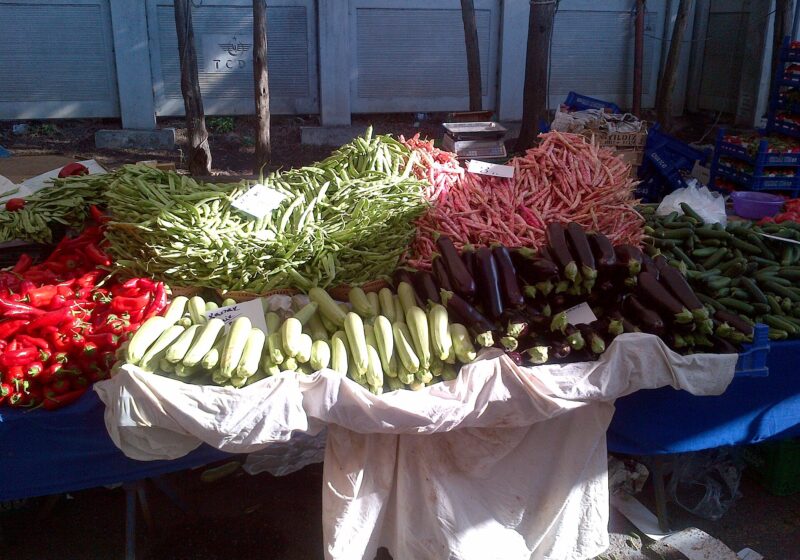
- Wild greens dressed with olive oil and lemon: samphire (deniz börülcesi), wild fennel (arapsaçı), radish greens (turp otu). Our guide to Aegean greens explains what each one is.
- Fava, a smooth purée of dried broad beans, often finished with dill and red onion.
- Haydari or other strained-yoghurt dips with garlic and herbs.
- Seafood starters: octopus salad, marinated sea bass, calamari rings, shrimp baked in a small clay dish (karides güveç).
- White cheese and melon, the classic opening to a rakı table in summer.
Cold meze come on the tray; hot ones (fried calamari, grilled octopus, börek) are usually listed on a menu or announced by the waiter. Each plate is priced individually, so it is easy to over-order. Two or three cold meze per person, plus one or two hot dishes to share, is plenty before fish.
Choosing fish and ordering by weight
This is the part that confuses many visitors. Wild fish is usually priced by the kilo, not by the portion. You choose a fish (or the waiter suggests one), it is weighed, and the price is that weight multiplied by the kilo price. A large wild sea bream for two can cost several times as much as a plate of meze.
A few habits will keep things clear:
- Ask the kilo price before the fish goes to the kitchen, and ask roughly what your chosen fish will come to. Nobody minds.
- Say how many people it is for. A good waiter will steer you to a size that fits.
- Farmed or wild? Farmed sea bream (çipura) and sea bass (levrek) are often sold per portion at a fixed price and are much cheaper. Wild fish is called deniz balığı or simply named by species. Both are fine; just know which you are ordering.
- How it is cooked. Larger fish are usually grilled (ızgara). Small fish such as red mullet (barbun), sardines (sardalya) and horse mackerel (istavrit) are often pan-fried (tava) and eaten whole. Buğulama is a gentle steam-braise with tomato and peppers.
What is in season
Large commercial boats using purse-seine and trawl nets are banned from fishing in Turkish seas from 15 April to 1 September. Small boats under 12 metres can keep working, which is why Gümüşlük’s summer catch tends to be smaller and more varied. From September the larger fleets return, and autumn brings bonito (palamut), bluefish (lüfer) and plentiful red mullet. Sardines are at their best in high summer. If a menu seems to offer everything in every season, much of it is likely farmed or frozen.
Rakı and table etiquette
Rakı, the anise spirit Turks affectionately call “lion’s milk”, is the traditional partner to meze and fish. It is strong, around 45 per cent, and it is meant to be sipped slowly over hours.
- Pour the rakı first, then chilled water; it turns cloudy white. Ice, if you want it, goes in last.
- When toasting, touch your glass lightly against the lower part of the other person’s glass, especially an older person’s, rather than rim to rim.
- Keep a glass of water alongside and sip both through the evening. Nobody downs rakı.
- It is ordered by the glass (tek for a single, duble for a double) or in small bottles for the table.
If rakı is not for you, local wine from the Aegean, cold beer and fresh lemonade are always available. No one will think twice.
Good to know: Many restaurants add a small cover charge (kuver) per person for bread and table service. It should be on the menu. A tip of around 10 per cent is customary if service has been good.
What it costs
Prices on the Gümüşlük waterfront are higher than in the back streets of the village or in Bodrum’s town centre, and they have risen sharply in recent years. As of 2026, the biggest variables are wild fish by the kilo and how much you drink. A meze-only dinner with a couple of drinks is the most affordable way to enjoy the setting; a full table with wild fish and rakı for two is a genuine splurge. Prices change quickly, so check the menu, and ask about anything that is not priced.
Loading the map…
Timing your evening
The bay faces west, so the light is the main event. In June the sun sets late, around 8.30pm; by October it is closer to 6.30pm, and the restaurants fill earlier. Check the live sunset time below and plan to be seated half an hour before.
Sunset in Gümüşlük today 18:29
For other places to watch the light go down, see the best sunset spots on the Bodrum Peninsula. If you want to make a full day of it, our slow day in Gümüşlük ends right here.
Good to know
- Season: The waterfront is liveliest from May to October. In winter only a handful of places stay open, mostly at weekends.
- Parking: Traffic does not run along the waterfront itself. Most visitors leave the car in the paid car parks near the village entrance and walk a few minutes to the bay. In high summer they fill up by early evening.
- Mosquitoes: On still evenings near the water, bring repellent.
- Dress: Relaxed. Swimwear is fine at lunch but people usually change for dinner.
- Vegetarians: Very well served by the meze tray alone.
- Wind: On evenings when the summer meltem blows, tables at the water’s edge can be breezy. Bring a layer in spring and autumn.