Aegean Greens: A Field Guide to the Herbs on Your Plate
Turp otu, arapsaçı, cibez, şevketibostan: what the wild greens on a Bodrum meze tray actually are, when they appear and how locals cook them.
Order meze anywhere on the Bodrum Peninsula and at least one plate will be a heap of dark, glossy greens in olive oil and lemon. Ask what it is and you will get a Turkish name that no dictionary seems to know. This is a short field guide to the greens you are most likely to meet, how they are cooked, and when to look for them.
Why greens matter on the Aegean
The Aegean coast has a long tradition of gathering wild plants, especially in the cool, wet months after the autumn rains. Village women still collect them from field edges and hillsides, and bunches appear at the weekly markets from late autumn through spring. Many of the region’s herb dishes are what Turks call zeytinyağlı: cooked or dressed in olive oil and served at room temperature.
The cooking is simple. Most greens are either boiled briefly and dressed with olive oil, lemon and sometimes garlic, or sautéed with onion and finished with an egg. The skill is in the picking and the cleaning, which can take longer than the cooking.
The greens, one by one
Turp otu (wild radish greens)
The leaves of wild radish, slightly peppery and a little bitter. They are usually boiled and served as a salad with olive oil and lemon, and you may also find them sautéed with an egg broken over the top. One of the most common greens on winter meze trays.
Arapsaçı (wild fennel)
The name means “Arab’s hair”, a reference to the fine, feathery fronds. This is wild fennel, Foeniculum vulgare, with a sharp anise scent that is stronger than cultivated fennel or dill. It is at its best in winter and spring. Locals cook it in olive oil with onion and garlic, add it to omelettes and börek, or braise it with lamb or dried beans.
Deniz börülcesi (samphire)
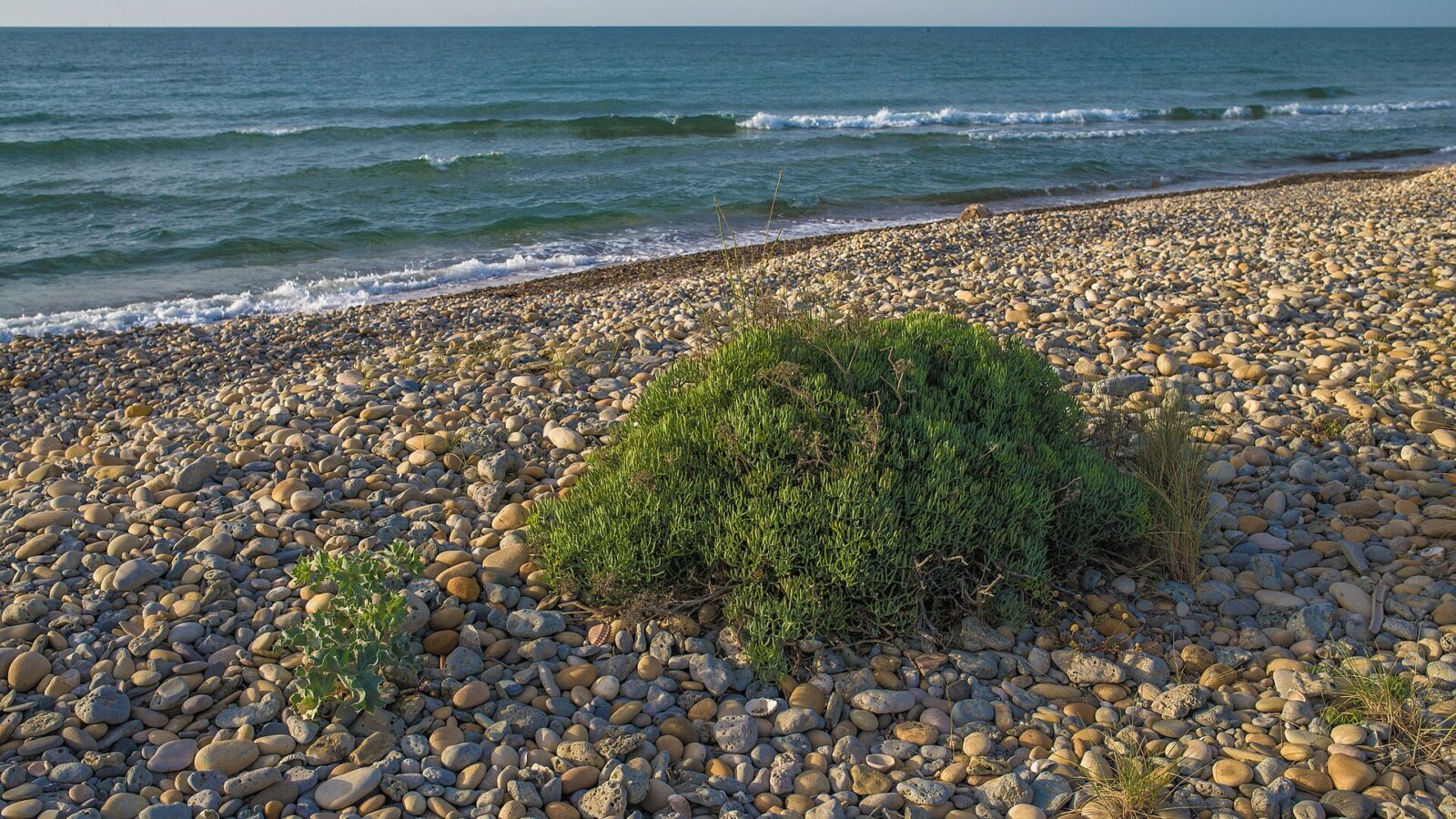
The salty, jointed green stalks that grow on coastal marshes. Samphire is blanched quickly in unsalted water (it is salty enough already), the soft flesh is pulled away from the woody central thread, and it is dressed with garlic, lemon and olive oil. It is one of the most popular summer meze on the coast, served with fish.
Cibez
A green from the mustard and cabbage family. Locals describe it as the tender shoots that sprout from the stumps of cabbages and cauliflowers left in the ground after harvest, a thrifty second crop. It is boiled and dressed with olive oil and lemon, and has a mild, cabbage-like flavour. You are more likely to find it at a market or in a home kitchen than on a restaurant menu.
Şevketibostan (golden thistle)
A spiny plant of the daisy family (Scolymus hispanicus), sold with its prickly leaves trimmed away to reveal the pale roots and stems. Cleaning it is fiddly work, which is why market sellers often do it for you. The classic Aegean dish cooks it with lamb, sometimes with chickpeas, and finishes it with an egg and lemon sauce. It also appears as a simple olive oil dish.
Radika
A name used fairly loosely in the region for wild chicory (hindiba) and its dandelion-like relatives. The leaves are bitter in a pleasant way, boiled and dressed with olive oil and lemon, or eaten raw when very young. If you like the bitterness of rocket or endive, you will like radika.
Ebegümeci (mallow)
Recognisable by its round, soft leaves and lilac flowers. Mallow is cooked like spinach, with onion, sometimes rice or bulgur, and occasionally a little meat. The larger leaves can be used to wrap dolma, and it also goes into börek.
And a few more
- Hardal otu (wild mustard greens): boiled and dressed like turp otu.
- Kuşkonmaz or tilkişen (wild asparagus): thin, slightly bitter spears that appear at markets from around March, usually sautéed with eggs.
- Isırgan (nettle): blanched and used in soups, börek and egg dishes.
- Semizotu (purslane): a summer green, served raw with garlic yoghurt or in salads.
- Gelincik (poppy greens, picked before the flowers form) and kuzukulağı (sorrel) also turn up in spring.
When to find them
The main season for wild greens runs from roughly November to April, after the first rains wake the hillsides. Spring is the peak, which makes it one of the best times to eat on the peninsula (see our piece on spring on the Bodrum Peninsula).
Summer is drier and the choice narrows to samphire, purslane and cultivated greens. In autumn, as temperatures drop and the rains return, the cycle starts again.
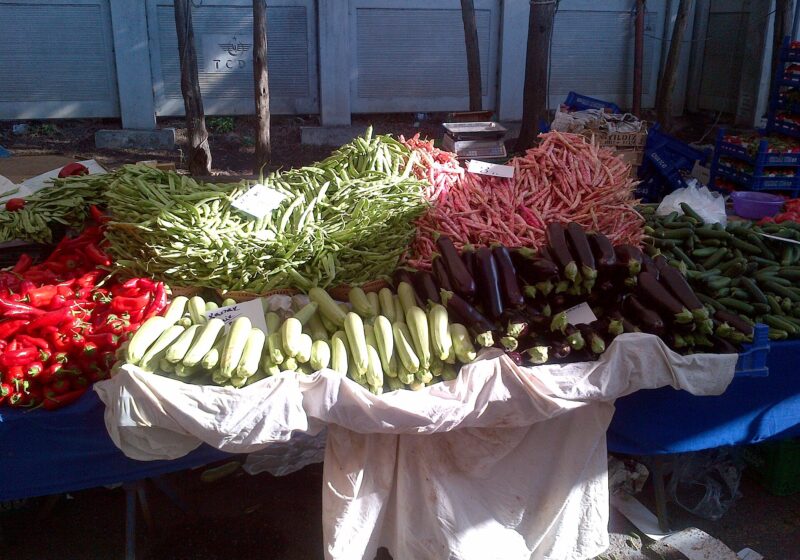
Tip: The best place to see the full range is a weekly village market in late winter or spring. Look for older women selling small bunches from a single table. Our guide to Bodrum’s village markets has the days.
How to order and eat them
On a restaurant meze tray, greens are usually the cheapest plates and among the most local. Ask the waiter “Bu ne otu?” (which herb is this?) and most will happily tell you. Some places will do a mixed plate of whatever greens came in that day.
Eat them as the locals do: a spoonful of greens, a piece of bread to mop up the olive oil, a squeeze of lemon. They are a natural partner to grilled fish and to rakı, and they balance the richer fried meze. For more on how a waterfront dinner works, read dinner at the water’s edge in Gümüşlük.
Loading the map…
A word on foraging
It is tempting to go out and pick your own, but please be careful. Several plants in the same family as wild fennel, including hemlock, are highly poisonous and easy to confuse with harmless ones. Unless you are with someone local who really knows the plants, buy your greens at the market. It also supports the people who still keep this knowledge alive.
Do not pick inside archaeological sites, protected areas or private land, and never pull plants up by the root.
Before you go
- Cooking them yourself: If you are staying somewhere with a kitchen, ask the market seller how to prepare what you have bought. Most will explain at length.
- Washing: Wild greens hold a lot of soil. Wash them in several changes of water.
- Names vary: The same plant can have different names from village to village, and the same name can mean different plants. Do not worry if two people tell you different things.
- Vegetarians and vegans: Most herb dishes are naturally plant-based, but check for yoghurt, egg or meat stock.
- Prices: Bunches at the market are inexpensive. On a restaurant tray, greens are usually priced like any other cold meze.