Why Artists and Musicians Fell for Gümüşlük
Piano recitals in a 2,500-year-old quarry, writers' workshops, restored stone houses: how a small fishing village became the peninsula's cultural corner.
On a summer night in Gümüşlük you might hear a Chopin nocturne drifting out of an ancient stone quarry, or find a jazz trio playing with their backs to the sea. For a village of a few thousand people, it has an unusual amount of culture packed into its summers.
None of this was planned. It grew out of a particular mix of place, protection and the kind of people who choose to live at the quiet end of a busy peninsula.
A village that stayed small
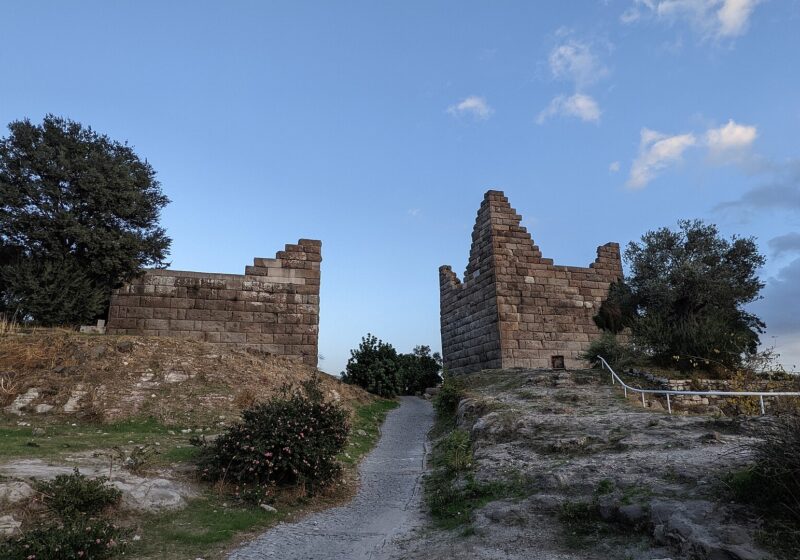
The first reason is what did not happen here. Gümüşlük sits on top of the ancient city of Myndos, and much of the land is a protected archaeological site. While other parts of the Bodrum Peninsula filled with resorts and holiday estates, building in the village was tightly limited.
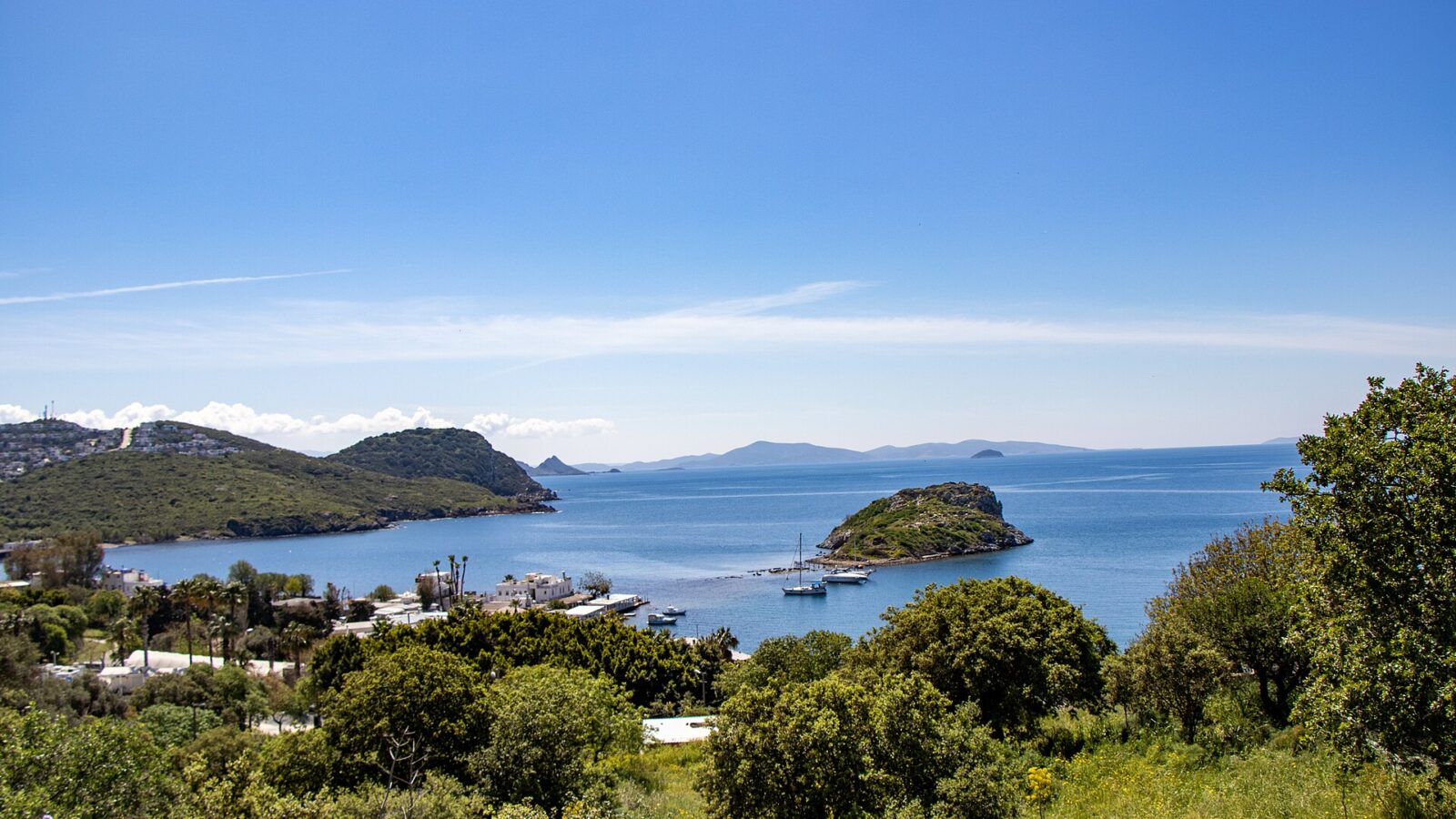
The result is a place that still feels like a fishing village: low houses, a pedestrian waterfront and a bay that faces west into open sea. For painters, the evening light is the obvious draw. For writers and musicians, it is the quiet, and the distance, about 21 km, from Bodrum’s nightlife.
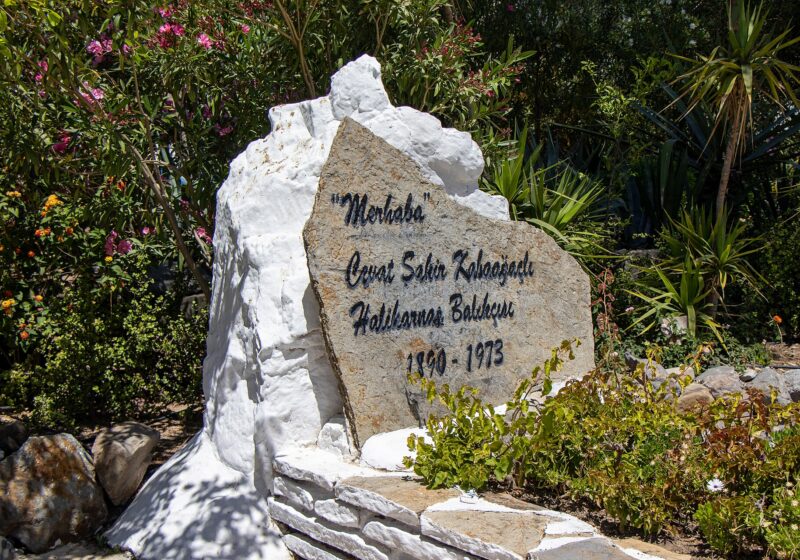
There is also a longer tradition behind it. In the decades after the exiled author known as the Fisherman of Halicarnassus arrived in 1925, Bodrum became a magnet for writers and artists, starting with the circle of painters and intellectuals who joined his Blue Voyages. Gümüşlük, at the far end of the peninsula, inherited some of that spirit as Bodrum town grew busier.
The Gümüşlük music festival
The best-known part of the village’s cultural life began in 2004, when a group of musicians led by the pianists Eren Levendoğlu and Gülsin Onay organised a small piano event in the village. The Bodrum Classical Music Association was set up in 2006 to run it, and the festival has grown steadily since.
Today the International Gümüşlük Music Festival runs through much of the summer. The 2026 edition, its 23rd, ran from mid-July to early September, with concerts, masterclasses and events built around the theme “in water, on sand, in stone”. Classical music is still the heart of it, but programmes have also taken in jazz, world music, dance and theatre. In 2024 the festival received the EFFE Label, a European quality mark for arts festivals.
Concerts in an ancient quarry
The signature venue is an old stone quarry near the village, said to have been worked some 2,500 years ago. Sitting among the cut rock faces as the sky darkens, with a piano in front of you, is the image most people take away. Other events happen on the beach and at the festival’s base, a building known as Toprak Ev (“the earth house”).
Music students on the waterfront
Alongside the concerts, the festival runs an academy with masterclasses for young musicians. Organisers say more than 2,000 students have taken part over the years, in piano, violin and open-stage programmes. It gives the festival a different energy from a conventional concert series: part of the point is passing music on.
Tip: Check the programme as soon as it is published. Quarry concerts are popular, and evenings with the best-known performers can sell out.
Writers and the Gümüşlük Academy
Music is not the only thread. The novelist Latife Tekin, one of Türkiye’s most respected writers, founded the Gümüşlük Akademisi, a foundation that has offered summer workshops in literature, cinema, poetry, photography, philosophy and science, along with ecology seminars and gatherings of poets. One such gathering honoured İlhan Berk, a major Turkish poet who spent his last years in Bodrum.
Its programmes have varied from year to year, so check what is running if you plan to take part.
Stone houses and studios
Up on the ridge, the old village of Karakaya tells a related story. Its ruined stone houses were bought and restored from around the 1980s by outsiders, among them foreign buyers and later Turkish writers and photographers, who wanted somewhere remote and beautiful to work.
In Gümüşlük itself, look along the lanes behind the waterfront for small workshops and shops selling ceramics, jewellery, textiles and paintings. Some are run by the people who make the work. Some open only in season, and what you find changes from year to year.
The honest picture
Gümüşlük’s cultural life is mostly a summer affair. Between June and September there is something on most weeks; from November to March the village is quiet and many studios close. If you come in winter for culture, you will mostly find it in Bodrum town.
It is also not a cheap or undiscovered bohemian outpost any more. Property prices have climbed, and the waterfront is busy in high season. What remains is a village that still makes room for music and quiet, which on this peninsula is rarer than it should be.
Before you go
- Festival dates: The music festival generally runs from July into early September; see our events page and the festival’s own programme for exact dates.
- Tickets: Buy early for quarry concerts, especially in August when the peninsula is at its busiest.
- Bring: A light layer and something to sit on comfortably for outdoor venues; evenings can be breezy.
- Make a day of it: Pair an evening concert with a slow day in Gümüşlük, with a swim in the afternoon and an early dinner by the water.