Bodrum in Winter: Is It Worth It?
Mild days, rough seas, shuttered beach clubs and a peninsula that belongs to the people who live here. An honest look at Bodrum from December to February.
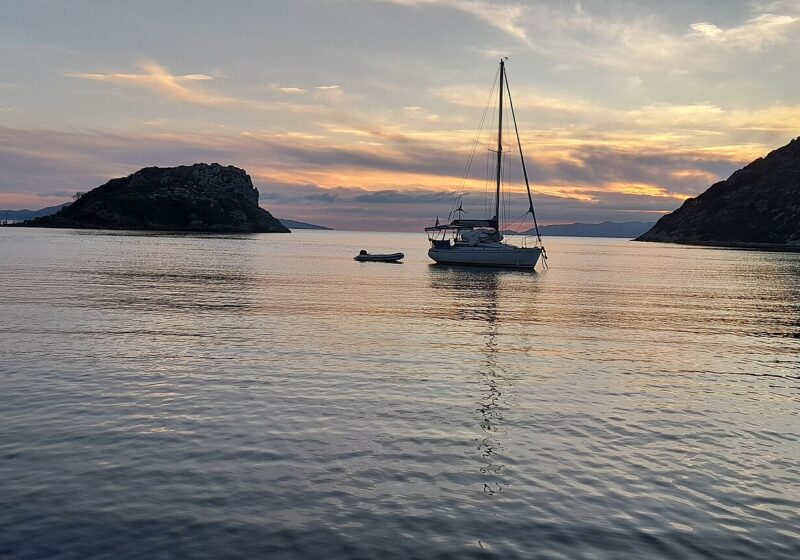
Between December and February the Bodrum Peninsula goes quiet in a way summer visitors find hard to picture. Beach clubs stack their loungers, the harbour at Gümüşlük empties of day-trippers, and the people you meet at the bakery are mostly the ones who live here all year. Winter is not a hidden summer. It is a different place, and whether it suits you depends on what you want from it.
What the weather is really like
Bodrum winters are mild by northern European standards, but they are not tropical. Average daytime highs sit around 15–16°C from December to February, with nights dropping to roughly 8–10°C. A run of clear, still days can feel like a good English May; a cold spell can push the afternoon down to single figures. Snow is very rare.
This is also the wet season. December and January are the rainiest months, with rain on around 12–13 days in each, often arriving in heavy bursts rather than steady drizzle. Between the fronts you get days of hard, clean light when you can see the Greek islands sharply from the west coast.
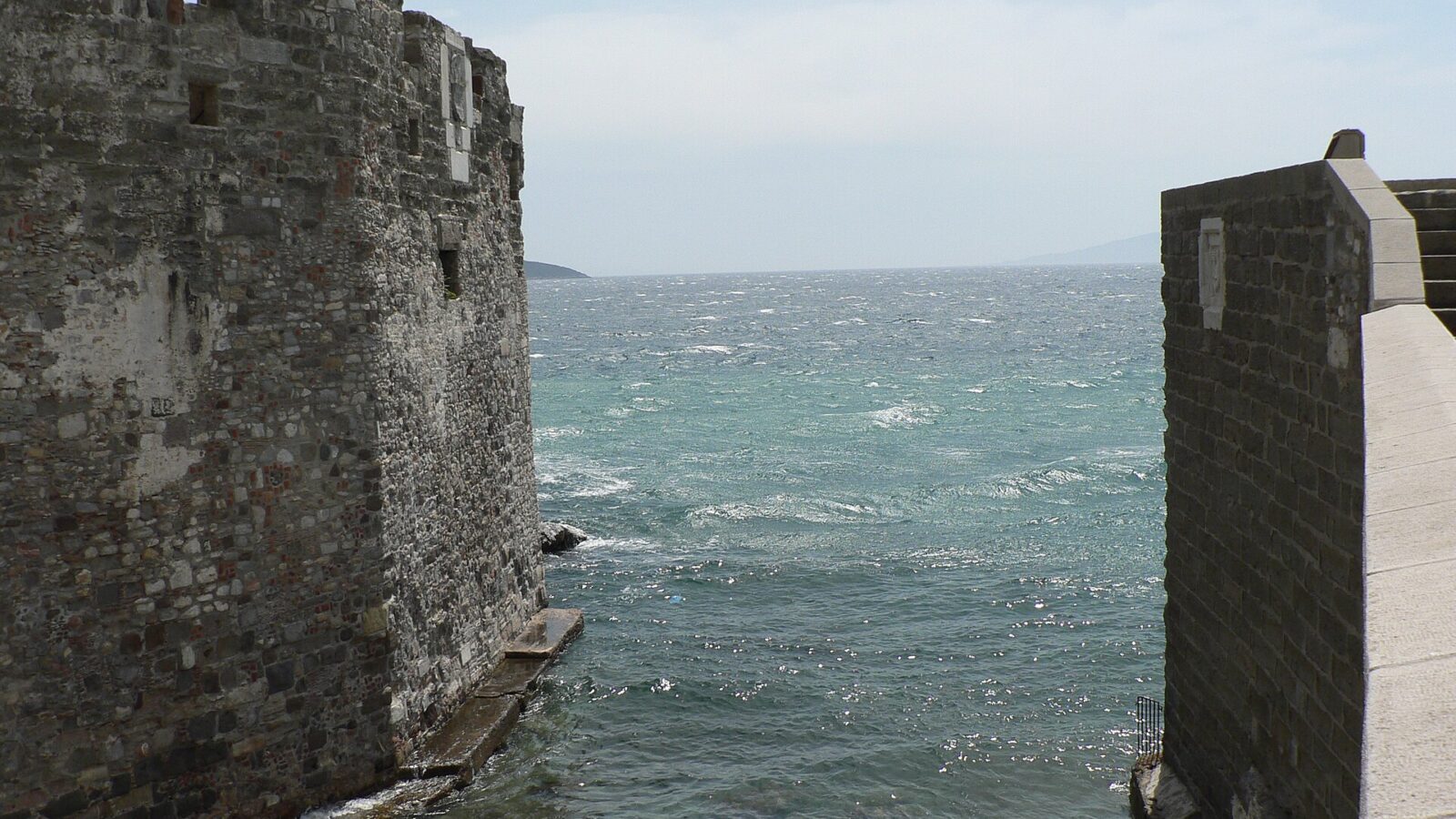
Wind sets the mood more than temperature does. The poyraz, a cold north-easterly, brings bright skies and a bite you feel through a jumper. The lodos, from the south-west, is the warmer wind but the rougher one: it drives in rain and big seas, and Bodrum has had winter storms that flooded the seafront and pushed boats ashore. On a lodos day the waterfront tables at Gümüşlük are not where you want to be.
- Jan 16° Jan: Sea 17°C, Air 16°C. Wettest stretch of the year; many waterfront places closed
- Feb 16° Feb: Sea 16°C, Air 16°C. Almond blossom, green hills, cool sea and very few visitors
- Mar 18° Mar: Sea 16°C, Air 18°C. Wildflowers and herb season; coldest sea of the year
- Apr 22° Apr: Sea 17°C, Air 22°C. Warm days for walking; places start to reopen
- May 27° May: Sea 19°C, Air 27°C. Long light, quiet bays; the brave start swimming
- Jun 32° Jun: Sea 23°C, Air 32°C. Proper summer arrives; sea is warm, crowds still manageable
- Jul 35° Jul: Sea 25°C, Air 35°C. Hot, busy and windy afternoons; book tables and rooms early
- Aug 35° Aug: Sea 26°C, Air 35°C. Peak season and warmest sea; traffic and prices at their highest
- Sep 31° Sep: Sea 25°C, Air 31°C. Sea still warm, heat easing; many say the best month
- Oct 26° Oct: Sea 23°C, Air 26°C. Golden light and easy swimming; first rains late in the month
- Nov 21° Nov: Sea 20°C, Air 21°C. Season winds down; mild days, sea still swimmable for some
- Dec 17° Dec: Sea 18°C, Air 17°C. Mandarin harvest, storms and calm spells; very local
October: Golden light and easy swimming; first rains late in the month
The sea holds on to some of summer’s warmth, staying at roughly 16–17°C through the winter. That is cold enough to take your breath away, but plenty of residents swim on calm, sunny mornings, usually for ten minutes and with a towel and a flask waiting on the beach.
What stays open (and what doesn’t)
Honesty matters here. Most beach clubs, many boutique hotels and a large share of the seasonal restaurants close from around November until spring. Some smaller places shut for weeks at a time with a handwritten note on the door. If you arrive expecting the summer choice, you will be disappointed.
What carries on is ordinary life. Bodrum town is a real town with schools, a hospital and a weekly rhythm that does not depend on tourists. Turgutreis, a short drive south of Gümüşlük, has large supermarkets, pharmacies, banks and a busy Saturday market that runs all year. Yalıkavak’s marina keeps a handful of cafés and restaurants going through the cooler months.
In Gümüşlük itself, a few places on the waterfront usually stay open, some only at weekends, serving fish to locals and the trickle of Turkish visitors who drive down from İzmir or fly in from İstanbul. Opening days shift with the weather, so it is worth asking around rather than relying on online listings. For how waterfront dinners work at any time of year, see our guide to eating on the Gümüşlük waterfront.
Dolmuş minibuses between Bodrum’s bus station and the villages keep running, but less often than in summer. A hire car makes winter much easier.
Good to know: Many holiday homes on the peninsula were built for summer. Before booking a winter stay, ask exactly how the place is heated (air-conditioning units, a wood stove, underfloor heating) and whether there is hot water on demand. A cold, damp house can spoil an otherwise good trip.
Who winter suits
Winter works best for people who are happy to make their own days. Walkers get cool air and green hillsides; the stretches of the Carian Trail that are punishing in July are pleasant in January. Writers and remote workers get cheap long stays, quiet cafés and few distractions; our digital nomad guide covers internet and practicalities. Couples looking for long lunches and empty beaches will find both, as long as they bring a waterproof.
It suits people less well if they want guaranteed sunbathing, nightlife or a full choice of restaurants. It also takes some patience: a three-day lodos can keep you indoors, and some days the only plan is a walk between showers.
Winter on the peninsula, month by month
December
Short days by Bodrum standards, but because Türkiye stays on UTC+3 all year, the sun sets at around 5.55pm even near the solstice, and sunrise comes late, at about 8.20am. Bodrum’s mandarins, which carry a protected geographical indication, ripen on the trees around the villages, and the municipality’s mandarin festival has in recent years been held in Bitez in late December. The municipality’s events calendar also lists Nartugan, an old winter-solstice custom, marked around 21 December in some neighbourhoods.
January
Usually the coldest and wettest month. It is also camel-wrestling season in the Aegean: Bodrum’s camel-wrestling festival is traditionally held in January, drawing big local crowds, picnic smoke and decorated camels. It is noisy, earthy and nothing like a show staged for tourists. Check the date locally, as it moves from year to year.
February
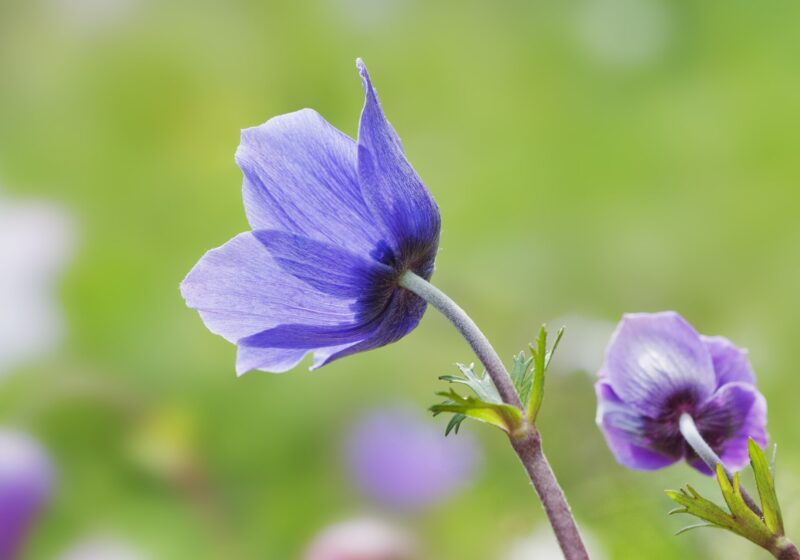
Days lengthen noticeably, the hills turn green and the first almond blossom often appears late in the month. The weather is still unsettled, but it is a good time for walking and for watching the peninsula wake up. If spring is what draws you, read our piece on spring on the peninsula.
A quiet Christmas or New Year
Christmas is not a public holiday in Türkiye, and on 25 December the peninsula carries on as normal. That is exactly why some people come: no forced festivity, just a long walk, a swim if you are brave, and a fish lunch by the water if you find a place open. If you want a Christmas meal, plan to cook it yourself; supermarkets in Turgutreis and Bodrum stock most of what you need, though some imported items are hard to find.
New Year is different. Turks celebrate yılbaşı widely, 1 January is a public holiday, and Bodrum town gets busy with visitors from İstanbul and İzmir for the night. Hotels that open especially for the holiday fill early, and prices for those few nights rise accordingly. In Gümüşlük, New Year’s Eve tends to be quieter: a few gatherings, fireworks in the distance across the bay.
Before you go
- Flights: direct international flights to Bodrum thin out sharply in winter, and most routes go via İstanbul. Our guide to getting from Bodrum Airport to Gümüşlük covers the last leg.
- Pack: a proper waterproof, a warm layer for evenings, shoes that can handle muddy paths, and swimming things for the odd calm morning.
- Budget: accommodation is far cheaper than in summer, especially for longer stays, but the choice is smaller. Prices change quickly, so compare as of the time you book.
- Plan loosely: check the forecast for wind as well as rain, and keep a flexible list of indoor options, such as the Museum of Underwater Archaeology in Bodrum Castle, for stormy days.
- Ask before you go out: a quick message or call to see whether a restaurant is open will save you a wasted drive.